ঢাকা ০৬:৩৯ অপরাহ্ন, সোমবার, ২২ ডিসেম্বর ২০২৫, ৮ পৌষ ১৪৩২ বঙ্গাব্দ
সংবাদ শিরোনাম ::
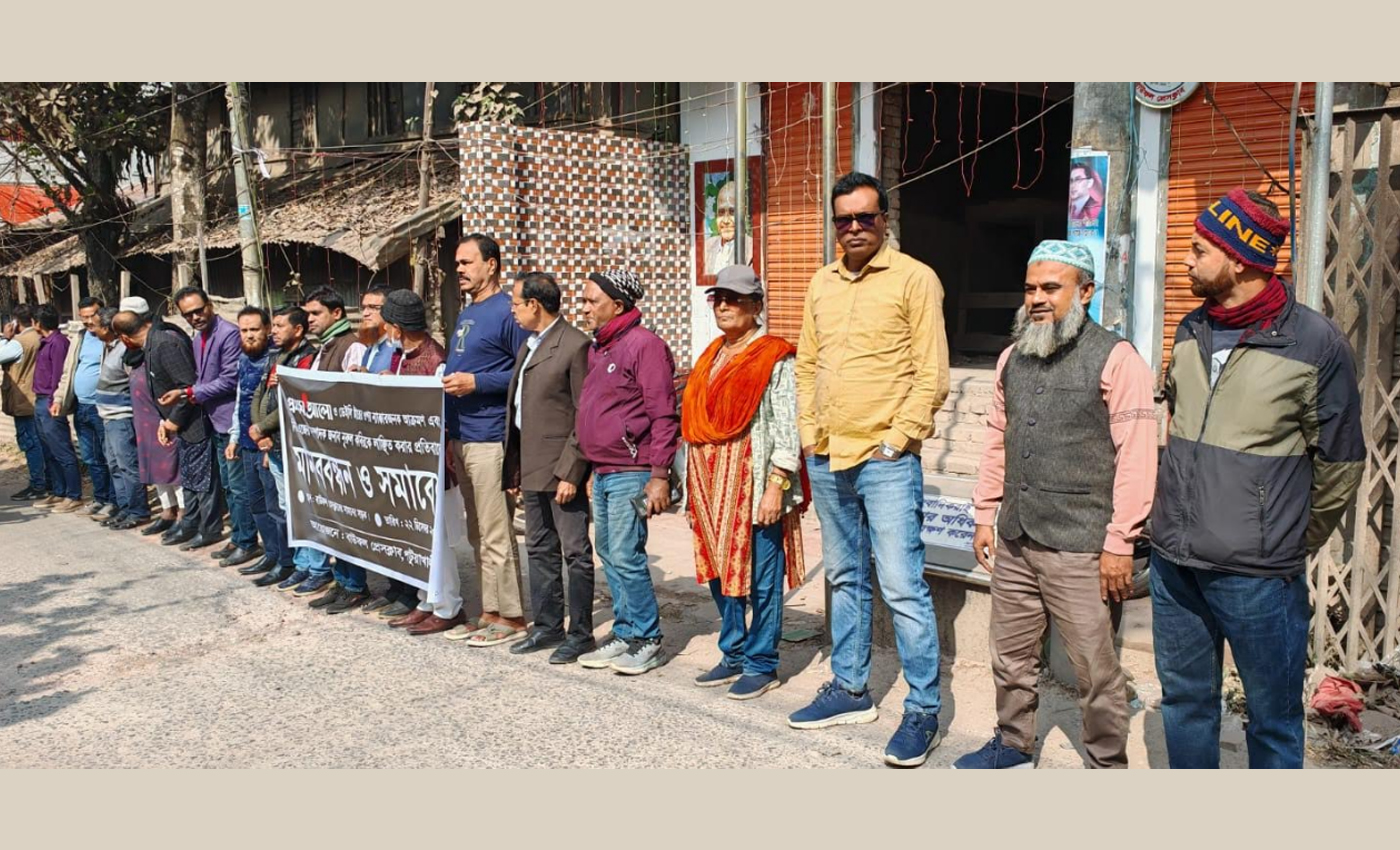
Logo যাত্রা শুরু করলো ভোটের গাড়ি সুপার ক‍্যারাভান Logo প্রথম আলো ও ডেইলি স্টার কার্যালয়ে অগ্নিসংযোগের ঘটনার প্রতিবাদে বাউফলে মানববন্ধন Logo প্রথম আলো ও দ্য ডেইলি স্টারে হামলার ঘটনায় গ্রেফতার ৯ জন Logo আইনশৃঙ্খলা পরিস্থিতি পর্যালোচনায় প্রধান উপদেষ্টার নেতৃত্বে বৈঠক অনুষ্ঠিত Logo দিল্লির ঘটনা ‘বিভ্রান্তিকর প্রচার’ নয়, বিক্ষোভ সম্পর্কে আগে জানানো হয়নি Logo প্রথাগত শিক্ষার পাশাপাশি স্কিল ডেভেলপের উপর গুরুত্ব দিতে হবে – সমাজকল্যাণ মন্ত্রণালয়ের ড. মোহাম্মদ আবু ইউছুফ Logo হাদির হত্যাকারী ফয়সাল শেষ অবস্থান নিয়ে যা জানালেন – অতিরিক্ত আইজিপি খন্দকার রফিকুল ইসলাম Logo বিশ্বম্ভরপুরে পরিত্যক্ত ঘরে যৌথ অভিযানে ৪০ লাখ টাকার ভারতীয় অবৈধ পণ্য জব্দ। Logo পরিবর্তন ডিগ্রি দিয়ে নয়, সততা, নৈতিকতা ও দৃঢ় চরিত্রে সম্ভব: উপদেষ্টা শারমীন এস মুরশিদ Logo শিশুদের অধিকার প্রতিষ্ঠায় গণমাধ্যমের ভূমিকা অপরিসীম। – মহিলা ও শিশু বিষয়ক মন্ত্রণালয়ের সিনিয়র সচিব

Why I Trust (and Test) Mobile Multi-Chain Wallets — A Practical Take on Trust Wallet

  • নিজস্ব সংবাদ :
  • আপডেট সময় ১২:১৭:৩৪ অপরাহ্ন, শনিবার, ১৩ ডিসেম্বর ২০২৫
  • ৫২৬ বার পড়া হয়েছে

Okay, so check this out—I’ve been juggling crypto wallets on my phone for years, and one truth keeps popping up: convenience without custody is dangerous. Wow! Mobile is where most people live now. My instinct said early on that a good wallet must feel seamless and invisible, while still guarding the keys like a vault.

At first I thought any app that looked slick would do. Then I lost access to a seed phrase once and learned fast. Seriously? That sting taught me more than any tutorial. On one hand, the user experience matters a lot for adoption, though actually security practices are the real gatekeeper.

Here’s the thing. Trust Wallet (yes, the mobile-first app everyone talks about) nails multi-chain support in a way that feels logical, not gimmicky. It’s not perfect. I’m biased, but after testing random tokens, bridging, and staking small amounts, it remained stable. Hmm… somethin’ about that reliability stuck with me.

Let me walk you through the practical parts—what I use daily, what I worry about, and how to set up a sensible workflow that keeps you in control of your crypto across chains.

Screenshot impression of a mobile wallet showing multiple chains and assets

What “multi-chain” actually means on your phone

Multi-chain means you can manage coins and tokens across different blockchains inside one app. Short version: one seed phrase, many networks. Short sentence. Most wallets call themselves multi-chain, but some only support EVM chains well. Trust Wallet covers Ethereum, BSC, Polygon, and also non-EVM chains like Solana—so you can move between ecosystems without juggling five different apps.

That said, not every token on every chain will be displayed correctly. Initially I assumed everything would be tidy. Then a weird token with odd decimals showed up and my balance looked wrong. Actually, wait—let me rephrase that: the token was fine, my UI wasn’t ready for it. The takeaway is simple: check contract addresses and token metadata before you freak out.

Practical tip: add custom tokens manually sometimes. It takes 30 seconds and saves a headache later.

Security: how Trust Wallet handles custody and what that means for you

Trust Wallet is a non-custodial wallet. That means you control private keys. Period. This is the core promise. Short phrase. You are responsible. No KYC. No custody. If you lose the seed phrase, support can’t recover your funds.

On the analytical side, the design encourages local key storage and biometric unlocking. Those are good defaults. But don’t get lazy—enable a strong PIN and write your seed down the old-fashioned way. I always keep a metal backup for at least one cold storage mnemonic. Oh, and by the way, backups are only useful if you verify them.

On one hand, mobile convenience invites risk. On the other, the app’s permission model and transaction preview tools help. Though actually, I still sometimes spot tiny approval screens that I barely read. That part bugs me. My recommendation? Slow down. Review every approval, especially when interacting with dApps and bridges.

Web3 integrations and dApp browsing — useful but dangerous

Trust Wallet includes a Web3 browser that lets you connect to decentralized apps directly. Nice. Very nice. It turns your phone into a full crypto workstation. Really? Yep. But there’s a catch.

Some dApps request broad permissions. Initially I accepted a few to move faster. Big mistake. You can grant token approvals that let contracts move funds. My gut said “no” more than once. On the other hand, restricting approvals is extra friction. So here’s a practical workflow I use: connect only to trusted dApps, revoke approvals regularly, and keep tiny balances for experimental interactions.

Also, bridges are powerful. They let you move assets across chains, but they introduce smart-contract risk and counterparty complexity. If you’re bridging, test with a small amount first. Seriously. A hundred bucks or less is a good friction-free test.

Practical setup: how I configure a mobile multi-chain wallet

Step 1: install from the official store and double-check the developer name. Step 2: create a new wallet and write the seed phrase on paper and metal. Step 3: enable biometrics, set a PIN, and disable backups on cloud unless you understand the risks. Step 4: add the chains you use and verify token addresses before adding them.

I’m not 100% sure I can account for every edge case here, but for most users this works. Also, it helps to segregate funds—keep long-term holdings in more secure setups, like hardware wallets, and use Trust for active on-phone funds. I’m biased toward separating daily-use crypto from long-term savings.

Remember: updates matter. Install app updates when they arrive. They frequently patch bugs and improve compatibility across chains.

Things that annoy me (and what I do about them)

The UX sometimes hides advanced options behind menus. That bugs me. There’s also token discovery issues where unofficial tokens can be mistaken for real ones. So I cross-check contracts on block explorers. Also, occasional UI lag with many tokens can be frustrating.

Workaround: curate token lists, remove clutter, and keep a small active portfolio for day-to-day use. If you need serious trading, use a dedicated interface or a desktop setup to reduce slips.

One more note: customer support is limited by design because these are non-custodial apps. This means you must be proactive about backups and transactional record-keeping. No whining if you lose keys. Just being blunt here.

When Trust Wallet shines

It shines for mobile-first users who want to interact with DeFi, NFT marketplaces, and multiple chains without switching apps. It’s simple for newcomers to pick up. And for power users, it offers enough tooling—custom RPCs, token management, and dApp connectivity—to stay useful.

Check the app out if you want a balance of usability and control. If you try it, there’s a one-stop resource I often link to when recommending official downloads or guides—trust—which is handy to bookmark.

FAQ

Is Trust Wallet safe for large amounts?

Use it for convenience, but not as your only place for large holdings. For significant amounts, pair Trust with a hardware wallet or cold storage. That’s my practice. I keep smaller, active funds on mobile and the bulk offline.

Can I recover my wallet if my phone dies?

Yes, with the seed phrase you can restore on any compatible wallet. Test your recovery process once with a small amount. Also, store the seed securely—metal backups survive disasters better than paper. Don’t store it in cloud notes unless you like risk.

ট্যাগস :
জনপ্রিয় সংবাদ

যাত্রা শুরু করলো ভোটের গাড়ি সুপার ক‍্যারাভান

Why I Trust (and Test) Mobile Multi-Chain Wallets — A Practical Take on Trust Wallet

আপডেট সময় ১২:১৭:৩৪ অপরাহ্ন, শনিবার, ১৩ ডিসেম্বর ২০২৫

Okay, so check this out—I’ve been juggling crypto wallets on my phone for years, and one truth keeps popping up: convenience without custody is dangerous. Wow! Mobile is where most people live now. My instinct said early on that a good wallet must feel seamless and invisible, while still guarding the keys like a vault.

At first I thought any app that looked slick would do. Then I lost access to a seed phrase once and learned fast. Seriously? That sting taught me more than any tutorial. On one hand, the user experience matters a lot for adoption, though actually security practices are the real gatekeeper.

Here’s the thing. Trust Wallet (yes, the mobile-first app everyone talks about) nails multi-chain support in a way that feels logical, not gimmicky. It’s not perfect. I’m biased, but after testing random tokens, bridging, and staking small amounts, it remained stable. Hmm… somethin’ about that reliability stuck with me.

Let me walk you through the practical parts—what I use daily, what I worry about, and how to set up a sensible workflow that keeps you in control of your crypto across chains.

Screenshot impression of a mobile wallet showing multiple chains and assets

What “multi-chain” actually means on your phone

Multi-chain means you can manage coins and tokens across different blockchains inside one app. Short version: one seed phrase, many networks. Short sentence. Most wallets call themselves multi-chain, but some only support EVM chains well. Trust Wallet covers Ethereum, BSC, Polygon, and also non-EVM chains like Solana—so you can move between ecosystems without juggling five different apps.

That said, not every token on every chain will be displayed correctly. Initially I assumed everything would be tidy. Then a weird token with odd decimals showed up and my balance looked wrong. Actually, wait—let me rephrase that: the token was fine, my UI wasn’t ready for it. The takeaway is simple: check contract addresses and token metadata before you freak out.

Practical tip: add custom tokens manually sometimes. It takes 30 seconds and saves a headache later.

Security: how Trust Wallet handles custody and what that means for you

Trust Wallet is a non-custodial wallet. That means you control private keys. Period. This is the core promise. Short phrase. You are responsible. No KYC. No custody. If you lose the seed phrase, support can’t recover your funds.

On the analytical side, the design encourages local key storage and biometric unlocking. Those are good defaults. But don’t get lazy—enable a strong PIN and write your seed down the old-fashioned way. I always keep a metal backup for at least one cold storage mnemonic. Oh, and by the way, backups are only useful if you verify them.

On one hand, mobile convenience invites risk. On the other, the app’s permission model and transaction preview tools help. Though actually, I still sometimes spot tiny approval screens that I barely read. That part bugs me. My recommendation? Slow down. Review every approval, especially when interacting with dApps and bridges.

Web3 integrations and dApp browsing — useful but dangerous

Trust Wallet includes a Web3 browser that lets you connect to decentralized apps directly. Nice. Very nice. It turns your phone into a full crypto workstation. Really? Yep. But there’s a catch.

Some dApps request broad permissions. Initially I accepted a few to move faster. Big mistake. You can grant token approvals that let contracts move funds. My gut said “no” more than once. On the other hand, restricting approvals is extra friction. So here’s a practical workflow I use: connect only to trusted dApps, revoke approvals regularly, and keep tiny balances for experimental interactions.

Also, bridges are powerful. They let you move assets across chains, but they introduce smart-contract risk and counterparty complexity. If you’re bridging, test with a small amount first. Seriously. A hundred bucks or less is a good friction-free test.

Practical setup: how I configure a mobile multi-chain wallet

Step 1: install from the official store and double-check the developer name. Step 2: create a new wallet and write the seed phrase on paper and metal. Step 3: enable biometrics, set a PIN, and disable backups on cloud unless you understand the risks. Step 4: add the chains you use and verify token addresses before adding them.

I’m not 100% sure I can account for every edge case here, but for most users this works. Also, it helps to segregate funds—keep long-term holdings in more secure setups, like hardware wallets, and use Trust for active on-phone funds. I’m biased toward separating daily-use crypto from long-term savings.

Remember: updates matter. Install app updates when they arrive. They frequently patch bugs and improve compatibility across chains.

Things that annoy me (and what I do about them)

The UX sometimes hides advanced options behind menus. That bugs me. There’s also token discovery issues where unofficial tokens can be mistaken for real ones. So I cross-check contracts on block explorers. Also, occasional UI lag with many tokens can be frustrating.

Workaround: curate token lists, remove clutter, and keep a small active portfolio for day-to-day use. If you need serious trading, use a dedicated interface or a desktop setup to reduce slips.

One more note: customer support is limited by design because these are non-custodial apps. This means you must be proactive about backups and transactional record-keeping. No whining if you lose keys. Just being blunt here.

When Trust Wallet shines

It shines for mobile-first users who want to interact with DeFi, NFT marketplaces, and multiple chains without switching apps. It’s simple for newcomers to pick up. And for power users, it offers enough tooling—custom RPCs, token management, and dApp connectivity—to stay useful.

Check the app out if you want a balance of usability and control. If you try it, there’s a one-stop resource I often link to when recommending official downloads or guides—trust—which is handy to bookmark.

FAQ

Is Trust Wallet safe for large amounts?

Use it for convenience, but not as your only place for large holdings. For significant amounts, pair Trust with a hardware wallet or cold storage. That’s my practice. I keep smaller, active funds on mobile and the bulk offline.

Can I recover my wallet if my phone dies?

Yes, with the seed phrase you can restore on any compatible wallet. Test your recovery process once with a small amount. Also, store the seed securely—metal backups survive disasters better than paper. Don’t store it in cloud notes unless you like risk.